
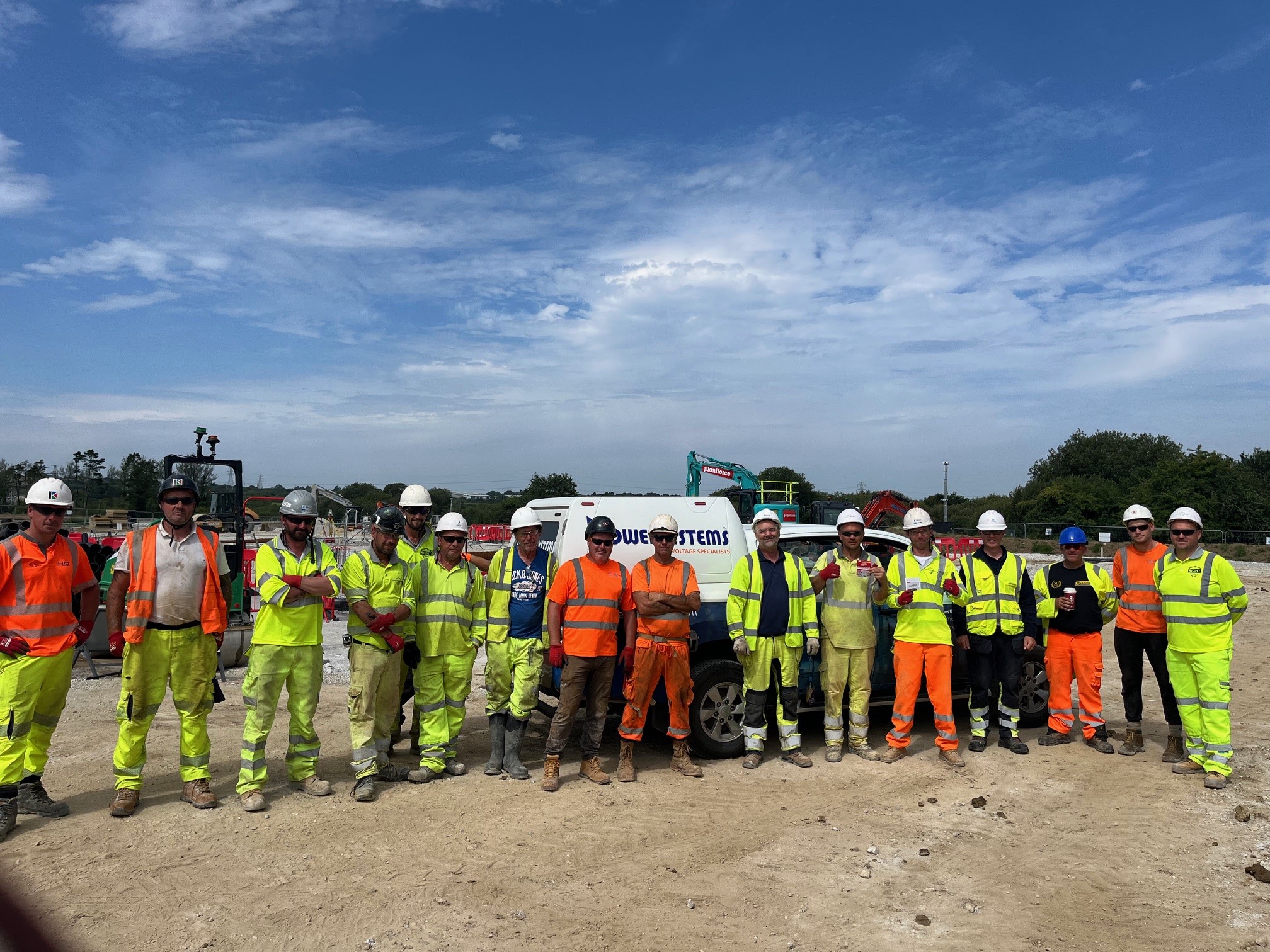
Delivering safe, compliant and well‑managed construction projects is fundamental to everything we do. Across our portfolio of electrical, energy and infrastructure schemes, our project approach is shaped by the principles of the Construction (Design and Management) Regulations 2015 (CDM 2015) — ensuring health, safety and welfare are considered from the earliest design stages through to project completion and beyond.
CDM 2015 is the primary regulatory framework governing how construction work is planned, managed and delivered in the UK. It applies to all construction activity, from minor maintenance works to large‑scale infrastructure and energy projects. For specialist electrical and high‑risk environments — including high voltage networks, substations, grid connections and critical infrastructure — effective CDM management is not just a compliance requirement, but a necessity for safe and successful project delivery.
A Proven Approach Across Complex Electrical and Infrastructure Projects
Our project portfolio reflects the breadth of construction activities covered by CDM 2015, including new build installations, network reinforcement works, upgrades, refurbishments, and ongoing operation and maintenance projects. Working across both private and public sector schemes has given us first‑hand experience of CDM delivery in a wide range of environments — from well‑resourced, mature client teams to projects where duties and responsibilities require greater clarity and support.
This experience allows us to adopt a practical, proportionate approach to CDM compliance, aligned to the scale, complexity and risk profile of each project. Rather than treating CDM as an administrative exercise, we integrate its requirements directly into our project planning, design coordination and delivery processes.
Supporting Clients to Discharge Their Duties Under CDM 2015
One of the most significant changes introduced by CDM 2015 was a renewed focus on client responsibility. The regulations place clear legal duties on clients to ensure projects are properly planned, adequately resourced and competently managed.
We work collaboratively with clients to help them understand and fulfil these duties, providing support throughout the project lifecycle. This includes assisting with:
- Early appointment and coordination of competent duty holders
- Defining clear project briefs, scope and constraints
- Identifying and managing significant design and construction risks
- Ensuring the right information is available at the right time
By taking a partnership-based approach, we help clients reduce exposure to enforcement action, delays, reputational damage and avoidable cost — while delivering safer, more efficient project outcomes.
The Importance of Early Engagement and Pre‑Construction Planning
CDM 2015 places particular emphasis on early-stage risk management, recognising that the greatest opportunity to eliminate or reduce risk occurs during pre‑construction.
Our project teams engage early with designers, clients and stakeholders to influence decisions before work begins on site. By considering buildability, access, maintenance and future operation at the design stage, we help:
- Eliminate hazards wherever reasonably practicable
- Reduce reliance on procedural controls and on‑site mitigations
- Improve coordination between disciplines
- Enhance safety across the entire asset lifecycle — from construction through to operation, maintenance and eventual decommissioning
Designing out risk from the outset leads to safer sites, better planned projects and more resilient infrastructure.
Managing CDM Responsibilities During Construction
During the construction phase, effective communication and cooperation between duty holders is critical. We place strong emphasis on ensuring Construction Phase Plans are robust, project‑specific and kept up to date — reflecting the evolving nature of works on site.
Our teams actively monitor CDM arrangements to ensure:
- Roles and responsibilities remain clearly defined
- Welfare facilities are appropriate and maintained
- Health and safety information is effectively shared
- Changes to scope, design or sequencing are assessed for risk
Where duty holders change during the project, we support the structured transfer of information to maintain continuity and compliance.
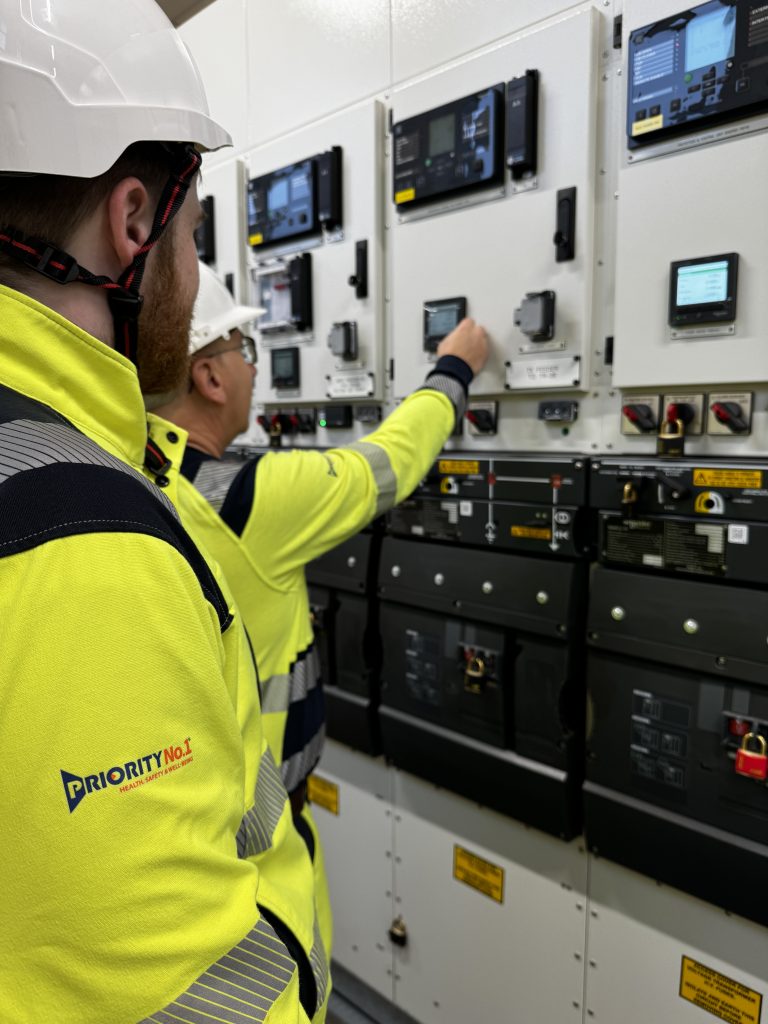
Completing the CDM Lifecycle: Health and Safety Information That Adds Value
CDM responsibilities do not end at project handover. The Health and Safety File is a critical output of the process, supporting future works, maintenance and asset management.
We ensure that post‑construction information is clear, structured and proportionate — providing clients with a valuable reference document that supports long‑term safe operation, rather than a file produced purely to satisfy regulatory requirements.
Why Effective CDM Compliance Matters
Despite CDM 2015 being in force for several years, client duties are still frequently misunderstood. Failure to comply can lead to serious consequences, including HSE investigations, Fees for Intervention, project delays, enforcement notices and prosecution.
Since the introduction of CDM 2015, there have been over 190 prosecutions under the regulations, with cumulative fines exceeding £16 million. Recent cases demonstrate increasing focus on client leadership, governance and early decision‑making — reinforcing the need for active engagement throughout the project lifecycle.
PriorityNo.1 Our Culture of Safety and Shared Responsibility
Powersystems PriorityNo.1 health, safety and well‑being are embedded within our organisational culture. Personal responsibility, proactive risk management and continuous improvement are expected at every level — whether in the office or on site.
By working collaboratively with our clients and project partners, we help create safer construction environments, reduce risk exposure and support sustainable, compliant project delivery. Supporting clients to understand and manage their CDM duties is not only a legal requirement — it is fundamental to responsible construction and long‑term project success.
Notes to Editors:
Contact Information:
- This article is written by Jules Daly, Marketing and Communications Manager at Powersystems.
- Email jules.daly@powersystemsuk.com Telephone 01454 318000
- Photography Copyright please credit all images used to powersystemsuk.co.uk
Powersystems are powering the transition to a sustainable future
Powersystems: The High Voltage Specialist of Choice
Powersystems is a leading employee-owned high voltage electrical engineering specialist with over 49 years of experience delivering safe, efficient, and high-quality infrastructure solutions across the UK.
As the first Lloyd’s NERS-accredited Independent Connection Provider (ICP), we have been delivering contestable grid connections up to 132 kV for over 29 years. Our trusted expertise spans the full project lifecycle—from design and installation to commissioning—supporting clients across renewable energy, utilities, and industrial sectors.
Since 2000, Powersystems has connected over 10 GW of renewable energy to the UK grid, including onshore and offshore wind, solar, hydro, tidal, and battery energy storage systems (BESS). We’ve also delivered critical infrastructure for electric vehicle charging, CHP, STOR, rotating stabilisers, and private wire networks.
Working in partnership with developers, contractors, and DNOs, we’ve connected 30% of the UK’s onshore wind farms—playing a vital role in the transition to Net Zero by 2050.
Our commitment to safety, sustainability, and innovation is embedded in our ISO-accredited integrated management systems and our ‘PriorityNo.1’ health and safety culture. We continue to invest in people, technology, and partnerships to remain the high voltage specialist of choice.
As an employee-owned business, Powersystems empowers every team member to contribute to our shared success. Our ownership model fosters a culture of collaboration, accountability, and continuous improvement—ensuring we deliver excellence for our clients, safely and efficiently.